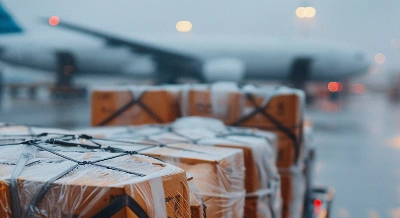
Air freight is widely used when speed is not optional but required. In logistics, there are situations where delays are not just inconvenient, but costly, disruptive, or even critical. This is where air freight becomes the preferred transport method.
Understanding why air freight is chosen for urgent and time-critical cargo requires looking beyond speed alone. It is about reliability, control, and the ability to respond quickly to changing conditions.
The Role of Speed in Urgent Logistics
The primary reason businesses use air freight is simple: time.
Air freight can reduce delivery timelines from weeks to days, or even hours in some cases. This makes it essential for shipments where delays are not acceptable.
Typical use cases include:
urgent inventory replenishment
production-critical components
time-sensitive commercial goods
emergency logistics situations
In these scenarios, the cost of delay often exceeds the cost of air transport.
Minimizing Supply Chain Disruption
Modern supply chains are tightly managed. Delays in one part of the chain can impact production, sales, and operations.
Air freight helps reduce disruption by:
shortening lead times
providing faster recovery from delays
supporting just-in-time inventory systems
maintaining continuity in production cycles
When a shipment is delayed or stock runs low, air freight is often used to restore balance quickly.
High-Value and Critical Cargo
Air freight is commonly used for cargo where value and sensitivity are high.
This includes:
electronics and technology products
medical supplies and pharmaceuticals
precision equipment
urgent spare parts
high-value commercial goods
For these types of shipments, faster delivery reduces risk, exposure, and potential loss.
Reliability and Predictable Scheduling
Airlines operate on structured schedules with frequent departures. This creates a more predictable shipping environment compared to other transport modes.
Benefits include:
consistent departure and arrival times
shorter transit windows
reduced variability in delivery timing
quicker response to changes in routing
While delays can still occur, air freight generally offers more control over timing.
Faster Customs and Handling Cycles
Air freight shipments typically move through faster processing systems at airports compared to seaports.
This includes:
quicker cargo handling
faster security screening
more streamlined customs processes
shorter dwell times at terminals
For urgent shipments, reducing time on the ground is just as important as reducing time in transit.
Reduced Inventory Pressure
Air freight allows businesses to operate with lower inventory levels.
Instead of holding large amounts of stock, companies can:
This is especially important in industries where demand is unpredictable or products have short life cycles.
Emergency and Contingency Logistics
Air freight is often used when unexpected situations occur.
Examples include:
supply chain interruptions
delayed shipments from other transport modes
equipment breakdowns
urgent replacement parts
disaster or relief logistics
In these situations, speed becomes critical to restoring operations or responding effectively.
Handling Time-Sensitive Goods
Certain types of cargo require fast delivery due to their nature.
These include:
perishable goods
temperature-sensitive products
medical and pharmaceutical shipments
seasonal or time-bound goods
Delays in these shipments can result in spoilage, reduced value, or complete loss.
Flexibility in Routing and Access
Air freight offers access to a wide network of airports and routes.
This allows for:
faster rerouting if disruptions occur
alternative flight options
direct or indirect routing flexibility
access to remote or hard-to-reach locations
This level of flexibility is important when time constraints are tight.
The Cost vs Time Trade-Off
Air freight is more expensive than other transport methods, but in urgent situations, cost becomes secondary to speed.
Businesses often choose air freight when:
delays would cause financial loss
production downtime is costly
customer commitments must be met
market opportunities are time-sensitive
In these cases, the higher cost of air freight is justified by the value of faster delivery.
Common Scenarios Where Air Freight Is Used
Air freight is typically chosen in situations such as:
last-minute shipment requirements
urgent restocking of inventory
replacement of critical components
delivery of high-value goods
meeting strict delivery deadlines
responding to unexpected demand spikes
These scenarios require a level of speed and reliability that other transport methods cannot provide.
Limitations to Consider
Despite its advantages, air freight has limitations:
higher cost compared to sea or land transport
capacity restrictions for large or heavy cargo
dependency on flight availability
sensitivity to operational disruptions
For non-urgent shipments, other transport methods may be more practical.
Conclusion
Air freight is used for urgent and time-critical cargo because it offers speed, reliability, and control. It allows businesses to respond quickly to challenges, maintain supply chain continuity, and meet strict delivery timelines.
While it comes at a higher cost, the ability to move cargo rapidly and predictably makes air freight an essential solution when time is the most important factor.