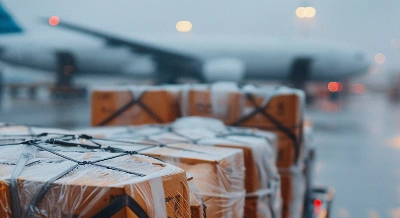
Air freight forwarders are often described as intermediaries in the logistics chain, but that definition does not fully capture the scope of their role. In practice, a forwarder is responsible for coordinating multiple operational layers across airlines, airports, documentation systems, customs procedures, and delivery timelines.
Understanding what air freight forwarders actually do provides a clearer view of how cargo moves efficiently from origin to destination, especially in time-sensitive or international shipping environments.
The Core Function of an Air Freight Forwarder
An air freight forwarder manages the movement of cargo through every stage of the shipping process. This includes planning, booking, documentation, compliance, coordination, and delivery alignment.
Rather than simply arranging transport, forwarders act as the central point of control for:
- shipment preparation
- cargo classification
- airline space booking
- documentation accuracy
- customs coordination
- cargo tracking and communication
- final delivery planning
They ensure that all components of the shipment work together without disruption.
Shipment Planning and Cargo Preparation
Every successful air shipment begins with proper planning. This stage determines how smoothly the rest of the process will run.
Forwarders assess key factors such as:
- type of cargo (general goods, dangerous goods, perishable items)
- dimensions and actual weight
- packaging requirements
- origin and destination
- delivery urgency
- handling requirements
Improper preparation can result in rejected cargo, delays, or additional costs. A forwarder ensures that cargo meets airline specifications and regulatory standards before it reaches the airport.
Airline Booking and Space Allocation
Once the shipment is prepared, the forwarder arranges space with an airline or cargo carrier.
This process involves:
- selecting suitable flights
- evaluating routing options
- checking capacity availability
- aligning schedules with cargo readiness
- confirming cut-off times
For urgent cargo, speed and direct routing are prioritized. For less time-sensitive shipments, forwarders may optimize for cost efficiency or consolidated transport options.
Booking cargo space requires alignment between documentation readiness, cargo acceptance rules, and airline schedules.
Managing Air Freight Documentation
Documentation is a critical component of air freight. Errors or inconsistencies can delay shipments or cause compliance issues.
Forwarders manage documents such as:
- Air Waybill (AWB)
- Commercial Invoice
- Packing List
- Export declarations
- Import documentation
- Special permits or certificates where required
Each document must match the cargo details precisely, including weight, dimensions, value, and description of goods. Forwarders ensure that all paperwork is accurate, complete, and compliant with international shipping standards.
Customs Coordination and Compliance
For international shipments, customs procedures play a major role in determining transit time.
Air freight forwarders coordinate with customs brokers and regulatory authorities to ensure:
- correct classification of goods
- accurate valuation
- proper declaration
- compliance with import and export regulations
- submission of all required documentation
Customs delays are often caused by incomplete or incorrect information. Forwarders reduce this risk by preparing documentation in advance and ensuring alignment with regulatory requirements.
Airport Handling and Cargo Movement
Once cargo arrives at the airport, it enters a structured handling process that includes:
- cargo acceptance at terminal
- security screening
- palletisation or containerisation
- loading onto aircraft
- transfer at transit points (if applicable)
- unloading at destination
Forwarders coordinate with ground handlers, cargo terminals, and airline operations to ensure cargo moves efficiently through each stage.
Timing is critical. Missing a cut-off time can delay a shipment by an entire flight cycle.
Tracking and Shipment Visibility
Air freight forwarders provide visibility throughout the shipment journey. This allows shippers to monitor progress and respond to any changes.
Tracking includes:
- flight departure and arrival updates
- transit status at connection points
- delay notifications
- customs clearance progress
- delivery coordination updates
Clear communication is especially important for high-value or time-sensitive cargo.
Final Delivery and Distribution
After cargo arrives at the destination airport, it must be cleared and delivered to its final location.
Forwarders coordinate:
- customs clearance at destination
- cargo release from terminal
- local transportation
- final delivery scheduling
This ensures continuity from air transport to last-mile delivery.
Why Air Freight Forwarders Are Essential
Air freight involves strict timelines, multiple stakeholders, and detailed compliance requirements. Without coordination, shipments can easily face delays or operational issues.
Air freight forwarders provide structure by:
- reducing the risk of delays
- ensuring documentation accuracy
- aligning shipment timing with airline schedules
- coordinating communication across all parties
- improving overall efficiency of cargo movement
They serve as the operational link between shipper, carrier, and destination.
Common Misunderstandings
Forwarders Only Book Cargo
Booking is only one part of the process. Most of the work happens in planning, documentation, and coordination before and after the flight.
Air Freight Is Always Fast
Speed depends on preparation and execution. Poor documentation or missed cut-off times can delay even the fastest transport method.
Documentation Is Simple
Air freight documentation requires precision. Even minor inconsistencies can cause delays in customs or cargo handling.
The Real Value in Execution
The effectiveness of air freight depends on how well each stage is managed. Forwarders ensure that:
- cargo meets airline requirements
- documentation matches shipment details
- customs processes are prepared in advance
- schedules align with operational timelines
- delivery is coordinated after arrival
Without this level of control, air freight loses its advantage in speed and reliability.
Conclusion
Air freight forwarders play a central role in the movement of cargo by air. Their responsibilities extend across planning, documentation, compliance, coordination, and delivery.
Understanding their role provides a clearer perspective on how air cargo systems operate and why successful shipments depend on more than just transport.