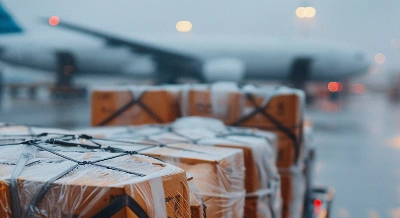
Air freight is known for speed, but that speed depends on execution. A single mistake in preparation, documentation, or timing can delay a shipment by hours or even days. In many cases, delays are not caused by airlines or external factors, but by preventable errors within the shipping process.
Understanding the most common air freight mistakes helps reduce risk, avoid unnecessary costs, and maintain reliable delivery timelines.
Why Mistakes Have a Bigger Impact in Air Freight
Air freight operates on tight schedules and strict requirements. Unlike other transport modes, there is little margin for error.
A missed step can lead to:
cargo rejection at the terminal
missed flight cut-off times
customs delays
additional handling charges
rescheduling of shipments
Because timelines are compressed, even small issues can disrupt the entire shipment.
Incorrect or Incomplete Documentation
Documentation errors are one of the leading causes of delays.
Common issues include:
missing documents
incorrect cargo description
mismatched information between documents
incorrect shipper or consignee details
missing signatures or approvals
Air freight documentation must be precise and consistent. Even minor discrepancies can trigger inspections or prevent cargo from being accepted.
Inaccurate Cargo Measurements
Incorrect weight or dimensions can lead to problems at the airport.
Typical mistakes include:
underestimating cargo weight
incorrect dimension measurements
failing to account for packaging size
misdeclaring volumetric weight
Airlines verify cargo details during acceptance. If measurements do not match, the shipment may be delayed, re-rated, or rejected.
Poor Packaging
Packaging plays a critical role in cargo acceptance and handling.
Common packaging issues include:
weak or damaged packaging
oversized boxes with excessive empty space
improper sealing or labeling
failure to secure cargo properly
Poor packaging can result in cargo damage, rejection, or additional handling requirements.
Missing Cargo Cut-Off Times
Every flight has a cargo cut-off time, which is the latest time cargo can be accepted for loading.
Mistakes in this area include:
delivering cargo too late
underestimating processing time at the terminal
failing to account for security checks
Missing the cut-off usually means the shipment must be moved to the next available flight, causing delays.
Incorrect Cargo Classification
Proper classification is essential, especially for regulated goods.
Errors include:
misclassifying dangerous goods
incorrect tariff classification
failing to declare special handling requirements
Incorrect classification can lead to cargo being held, inspected, or rejected entirely.
Ignoring Customs Requirements
Customs clearance is a major factor in shipment timing.
Common mistakes include:
missing permits or licenses
incorrect valuation of goods
incomplete declarations
failure to comply with import/export regulations
These issues often result in cargo being held at the destination until resolved.
Poor Coordination Between Parties
Air freight involves multiple parties, including:
shipper
freight forwarder
airline
customs broker
consignee
Lack of coordination can lead to:
Clear communication is essential at every stage.
Last-Minute Changes
Changes made after booking can disrupt the shipment process.
Examples include:
altering cargo dimensions
changing documentation details
modifying delivery instructions
Late changes may require reprocessing, which can delay the shipment.
Failure to Plan for Transit Conditions
Some shipments require special handling during transit.
Mistakes include:
ignoring temperature requirements
failing to account for multiple transit points
not considering handling conditions at different airports
These factors can affect both timing and cargo condition.
Overlooking Airline Requirements
Each airline has specific requirements for cargo acceptance.
Common issues include:
Failure to meet these requirements can result in cargo being refused.
Lack of Shipment Tracking
Not monitoring shipment progress can delay response to issues.
Without tracking:
Active monitoring allows for faster problem resolution.
How to Avoid These Mistakes
Reducing delays requires a disciplined approach to shipment preparation and coordination.
Key steps include:
verifying all documentation before submission
measuring cargo accurately
using proper packaging
meeting cargo cut-off times
confirming compliance with regulations
maintaining clear communication between all parties
monitoring shipments throughout transit
Consistency in these areas significantly improves shipment reliability.
The Cost of Delays
Delays in air freight can result in:
In time-critical logistics, these consequences can be significant.
Conclusion
Air freight offers speed and efficiency, but only when every part of the process is handled correctly. Most shipment delays are caused by preventable mistakes related to documentation, preparation, timing, and coordination.
By understanding and avoiding these common errors, shipments can move more smoothly, reliably, and without unnecessary disruption.