A trusted editorial resource for understanding air cargo, freight operations, and forwarding strategy. From routing and documentation to customs and chargeable weight, get practical insight into how air freight works.
Air freight forwarders play a critical role in modern cargo movement, connecting shippers, airlines, airports, customs procedures, and delivery timelines into one coordinated logistics chain. Flight592.com is built to explain how air freight forwarding works in practice, from shipment preparation and cargo documentation to transit planning, route selection, customs clearance, and time-sensitive freight execution. The goal is to make air cargo easier to understand through clear, experience-driven insight.
Air freight is often chosen when speed, reliability, and cargo timing matter more than slower transport modes. Behind every fast-moving shipment is a network of operational decisions that shapes whether cargo moves smoothly or faces delay.
Air freight forwarders help manage urgent cargo, critical replenishment stock, high-value goods, and shipments that cannot tolerate long transit times.
From airway bills and commercial invoices to customs paperwork and cargo declarations, forwarding depends on documentation accuracy as much as transport speed.
Successful freight movement relies on more than booking space. It involves airline schedules, airport handling, cargo cut-off times, customs timing, and downstream delivery planning.
Learn how forwarders coordinate cargo movement, communicate with carriers, manage shipment flow, and support import and export logistics. – Read more
Explore the purpose of airway bills, packing lists, commercial invoices, customs paperwork, shipment instructions, and supporting freight documents. – Read more
Understand how volumetric weight, chargeable weight, airline capacity, fuel costs, and cargo dimensions influence air freight pricing. – Read more
Read about cargo terminals, ground handling, cut-off times, aircraft loading, palletisation, screening procedures, and freight transfer systems. – Read more
Follow the role of customs clearance, border checks, compliance procedures, restricted cargo requirements, and international shipping controls. – Read more
See how air freight is used for priority cargo, industrial shipments, urgent spare parts, medical goods, and supply chain disruption response. – Read more
Air freight is often described as fast, but speed in logistics is not automatic. It depends on preparation, booking discipline, document accuracy, airline capacity, terminal handling, route design, and customs readiness. A missed document, late cargo arrival, incorrect dimensions, or clearance delay can weaken the advantage of air freight. That is why understanding the role of air freight forwarders matters. They sit at the intersection of cargo planning, shipment visibility, freight control, and transport execution.
Australia’s freight landscape brings together major cities, remote regions, cross-country cargo flows, and international trade gateways. Air freight becomes especially relevant where distance, delivery urgency, and cargo value demand faster movement. Flight592.com explores air cargo topics linked to Perth, Sydney, Melbourne, Brisbane, Adelaide, Darwin, and regional Australia, helping readers understand how domestic routes and international links shape freight decisions across the country.
This includes coverage of interstate cargo movement, freight timing, airport logistics, customs coordination, and the broader operational logic behind Australian air cargo networks.

A closer look at speed, cost, flexibility, cargo suitability, and when each mode makes strategic sense.
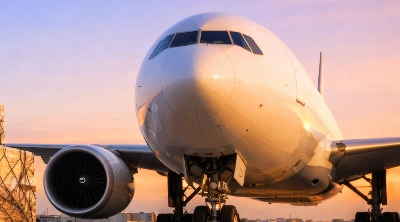
A practical breakdown of the forwarder’s role in booking, coordination, documentation, and shipment control.
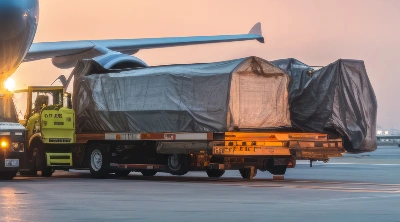
A clearer explanation of one of the most misunderstood pricing concepts in air cargo.
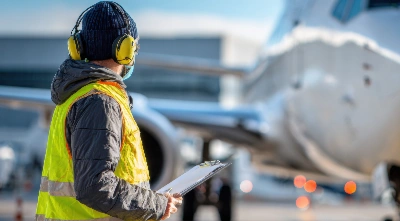
Why clearance readiness can shape transit speed just as much as airline schedules.
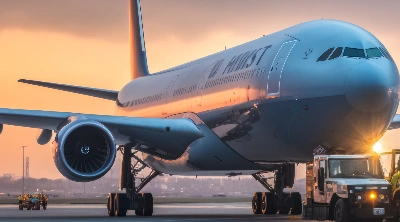
How route structure, transfer points, handling windows, and airline networks influence air freight execution.

Where air cargo becomes essential for time-sensitive shipments and supply chain continuity.

Julian Wolff writes with a strong focus on air freight forwarders, air cargo operations, freight documentation, customs procedures, and time-critical shipping. His work is built around making complex logistics topics easier to understand through clear, informed, and practical insight. At Flight592.com, he covers the systems, processes, and decisions that shape cargo movement across domestic and international air freight networks.
Flight592.com is shaped around trust, subject depth, and readable expertise. Rather than treating air freight as a narrow service pitch, the site is structured as a focused knowledge resource covering freight forwarding, cargo operations, logistics systems, documentation workflows, customs procedures, and shipping strategy. This creates a stronger reader experience and a more durable foundation for topical authority.
Whether the goal is to understand air freight forwarders, compare shipping methods, learn how cargo documentation works, or make sense of routing, customs, and freight timing, Flight592.com is built to help readers go deeper.
Why Choose us? We cover the movement of cargo across domestic and international routes, the role of freight forwarders, the importance of documentation, and the operational factors that shape delivery speed, cost, and reliability.